What is syntropic farming — and why we are converting the whole farm to it
Syntropic agroforestry grows food the way a rainforest grows itself. Here is how it works, what it looks like on our mountain, and how you can start a row at home.
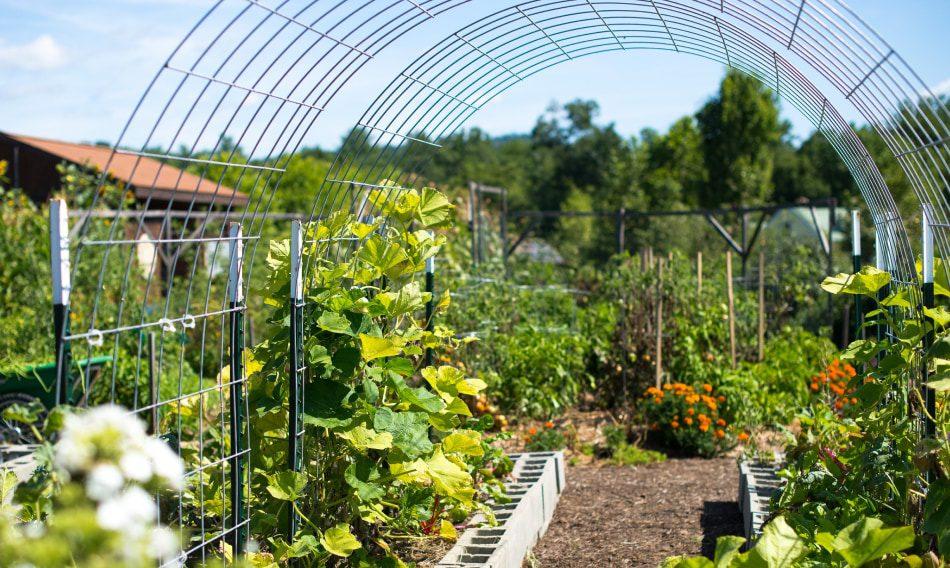
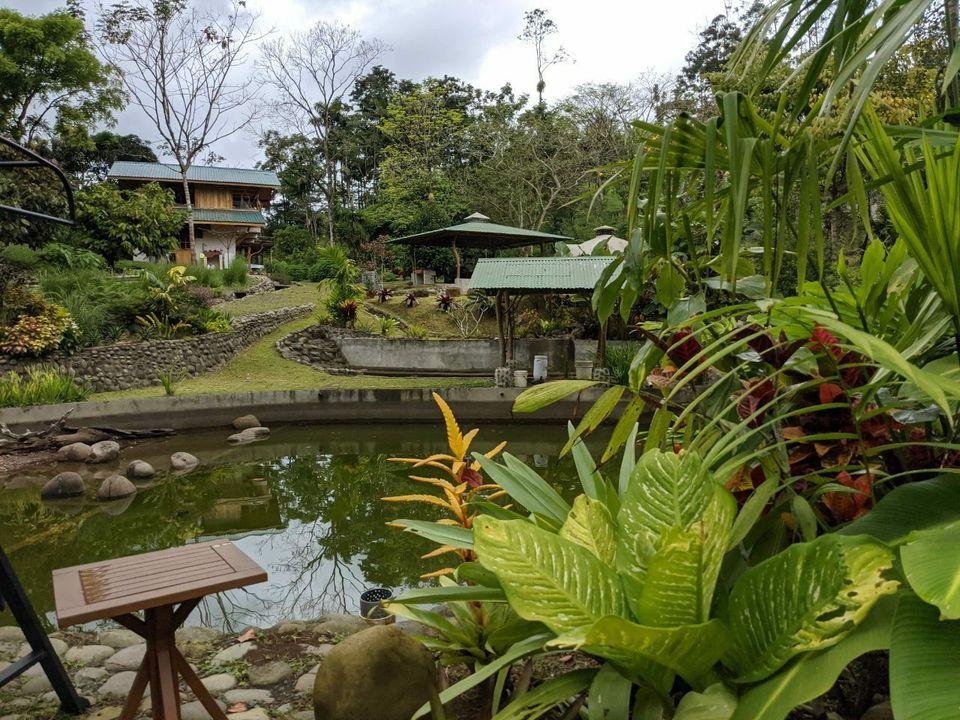
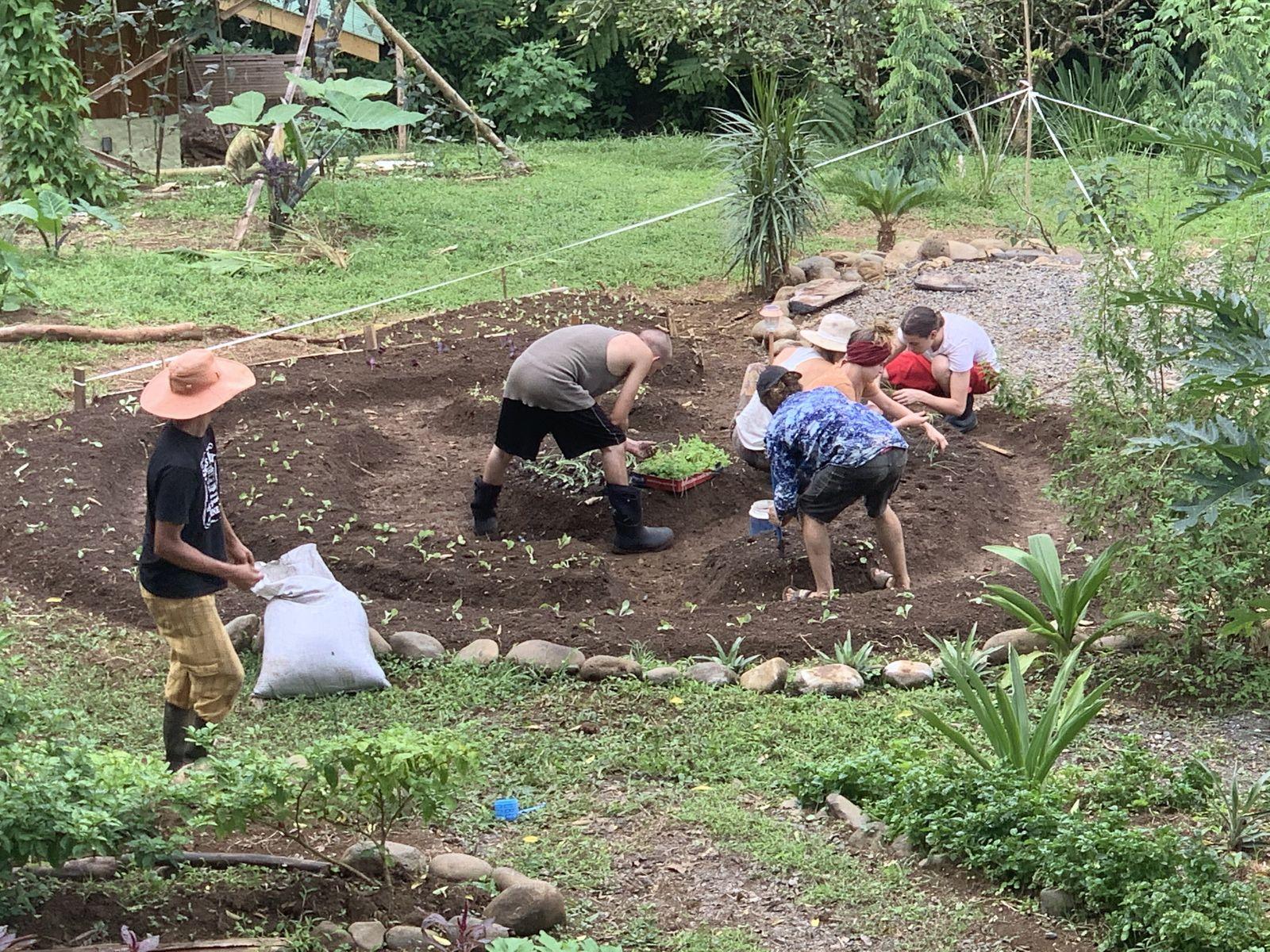
If you visit the farm you will notice the rows: bananas towering over young cacao, papaya and pigeon pea filling the gaps, timber trees marking the line, and a thick blanket of chopped leaves on the ground. That is a syntropic system, and it is slowly replacing our conventional organic beds.
The idea in one paragraph
Ernst Götsch, a Swiss farmer working in Brazil, noticed that natural succession — bare ground → pioneers → shrubs → forest — builds soil and fertility on its own. Syntropic farming plants all those stages at once in dense rows, then uses aggressive pruning to keep the system young and productive while the cuttings feed the soil. No tillage, no bare soil, no inputs.
What it looks like here
- Rows on contour, 4–5 m apart, with pasture or annual crops between.
- Layers: bananas and papaya (fast, high), cacao and citrus (medium), turmeric, ginger and chaya (low), timber (emergent).
- Chop and drop every 6–8 weeks in the wet season. The mulch is the fertiliser.
Start a row at home
Pick a 10 m line. Plant a banana every 2 m, a fruit tree between each pair, something fast and leafy (pigeon pea, cassava) in the gaps, and cover every centimetre of soil with cut grass or leaves. Prune hard, mulch always. Come to a workshop if you want to see it done.